Objects of Desire
Brahms on the bill, ships in the cellar: how Zurich learned to listen
A lakeside hall Brahms opened, jazz in a shipyard and a listening bar with its own vinyl shop.

Photo Credit
Image courtesy of © MGBiblio · CC BY-SA 4.0 via Wikimedia CommonsZurich listens carefully. Its Tonhalle was opened by Brahms in 1895 and rebuilt around its acoustics for a century; Moods plays jazz in the boiler workshop where ships were built; and Kasheme sells you the record you have just heard. From a temple of art on the lake to a silk mill turned stage, here is how the city learned to listen, and where to do it now.
A temple of art by the lake
Zurich builds its concert halls the way it builds watches: to last, and to be opened up and serviced every so often. The New Tonhalle on the lakeshore was completed in 1895 as a “permanent temple of art” for the city, replacing the Old Tonhalle of 1867 on the site of the Kornhaus, and the Tonhalle-Orchester Zürich, founded in 1868, moved straight in.
The architects were Fellner & Helmer of Vienna, who had recently built the Stadttheater, today’s opera house, and they modelled the complex on the Trocadéro in Paris. Johannes Brahms was invited to conduct his own works at the inaugural concert, beneath painted portraits of the great composers that included his own, beside Beethoven. Few musicians have been asked to perform under their own likeness.
The hall has been rebuilt around its sound ever since. In 1939 the Trocadéro front gave way to the Kongresshaus, but the two concert halls survived substantially unchanged, and the orchestra counts the Grosse Tonhalle among the world’s finest acoustically. After a renovation from 2017 to 2021 it reopened in September 2021, with a new organ from Orgelbau Kuhn, the firm that built its first in 1872.
The organ alone tells the story in miniature. The Kuhn instrument of 1872 followed the orchestra from the Kornhaus to the new hall in 1895, was remodelled and enlarged in 1927 and given an electro-pneumatic setting device in 1939; in 1988 it was replaced by a new organ from Kleuker and Steinmeyer. The newest Kuhn is meant to suit both the music of 1895 and the music of now, which is more than most of us can say of our record collections.
The opera next door
Across the Sechseläutenplatz, Fellner & Helmer’s other Zurich theatre still holds opera, the Ballett Zürich, concerts and recitals behind its colonnaded façade, and the house has already opened an architectural competition for its future, under the name “Zukunft Oper”. The Goethe Bar, right beside it, is where the interval conversation continues once the curtain is down.
Jazz where the ships were built
Further west, sound moved into industry. Moods was founded by Zurich musicians in 1992 at the former Selnau station and has played since 2000 in the Schiffbau, the old boiler workshop of Escher Wyss where ships were once built. Concerts run almost every night, from jazz and world music to funk, soul and electronica. Where rivets once rang, double basses now do.
Where rivets once rang, double basses now do.
Kasheme, on the Neugasse, is built for a closer kind of listening. In a living-room setting you listen, browse and buy from its own vinyl shop, sessions run under the motto “Selector’s Choice”, and the sound studio in the basement sometimes becomes a mini-club. It is the rare bar where the record collection is the main attraction, and the bartender knows it.

Photo Credit
Image courtesy of © Roland zh · CC BY-SA 3.0 via Wikimedia CommonsOn the lakeshore at Wollishofen, the Rote Fabrik, a silk-weaving mill until 1940, keeps the alternative stage: concerts, film, theatre and art under one roof. Nirvana and Manu Chao played here before they were famous in Europe, which gives every unknown band on its bill a certain air of possibility.
Closer to the centre, the clubs keep the city’s own soundtrack. Kaufleuten, on the Pelikanplatz, hosted the eighth and last official Dada soirée in Zurich on 9 April 1919 and still programmes concerts, readings and talks; the Plaza, in the building where Zurich’s first cinema opened in 1924, dances on a multicoloured disco floor in the style of the 1980s.
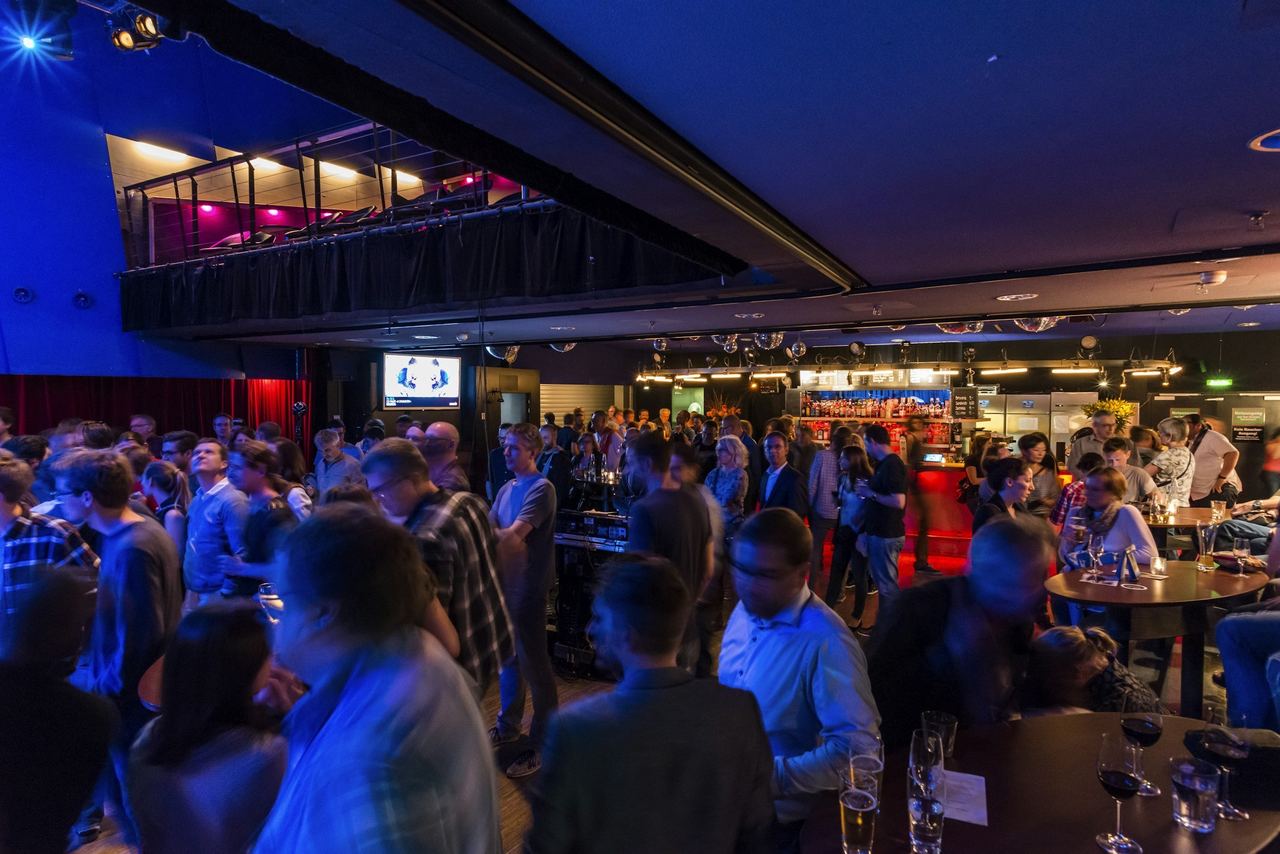
Photo Credit
Image courtesy of © MoodsOur advice: book the Tonhalle for the hall as much as for the programme, and arrive early enough to look up at the ceiling. Check Moods’ calendar on the night, and keep a late evening free for Kasheme, where the records do the talking.
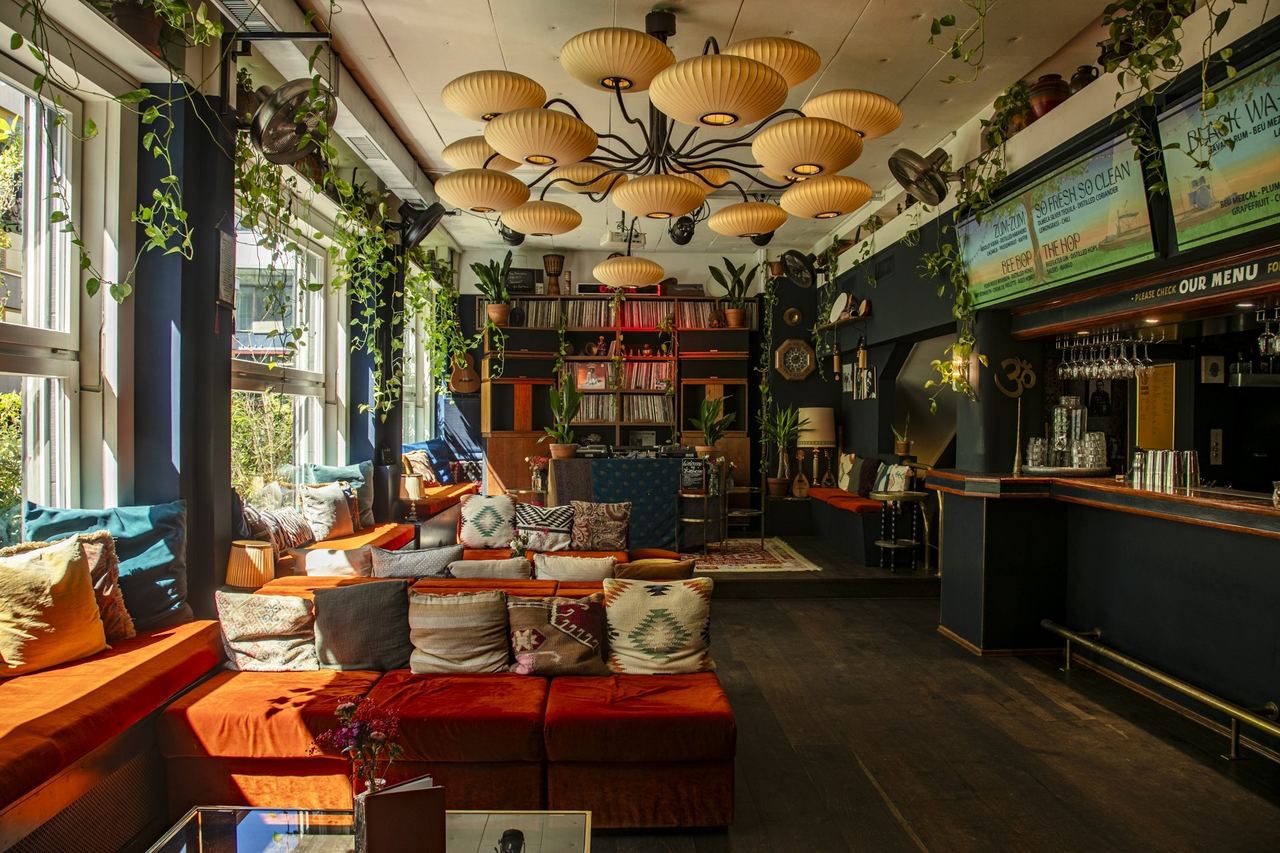
Photo Credit
Image courtesy of © KashemeWhy it's on our list
- A temple of art by the lake
- The opera next door
- Jazz where the ships were built
Location
The map comes from Google Maps, which sets its own cookies once it loads.
More in depth
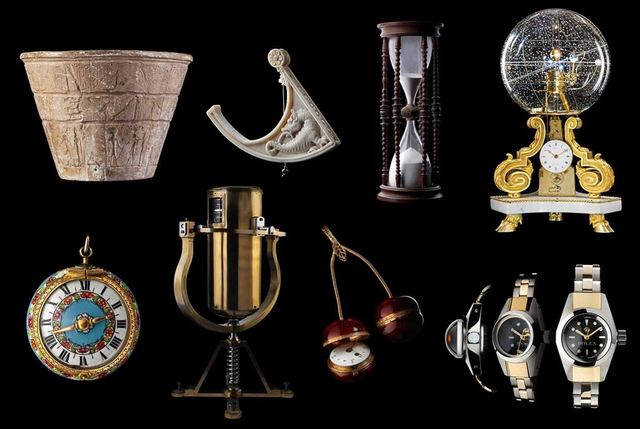 Objects of DesireA 12-tonne telescope and the smallest calendar watch: Zurich’s precision machinesA Zeiss telescope on 48 oak piles, 4,000 years of clocks and the trams that still run.
 Objects of DesireSteel, glass and a fortune from Sumatra: Zurich’s houses worth the detourLe Corbusier’s last building, a villa with a colonial past and two towers in Zurich West.
 Objects of DesireSans pareil: the Kronenhalle Bar, a library of spirits and the Old FashionedA bar with Giacometti lamps and no music, 1,000 bottles on the Rennweg and the Old Fashioned.