Objects of Desire
A 12-tonne telescope and the smallest calendar watch: Zurich’s precision machines
A Zeiss telescope on 48 oak piles, 4,000 years of clocks and the trams that still run.
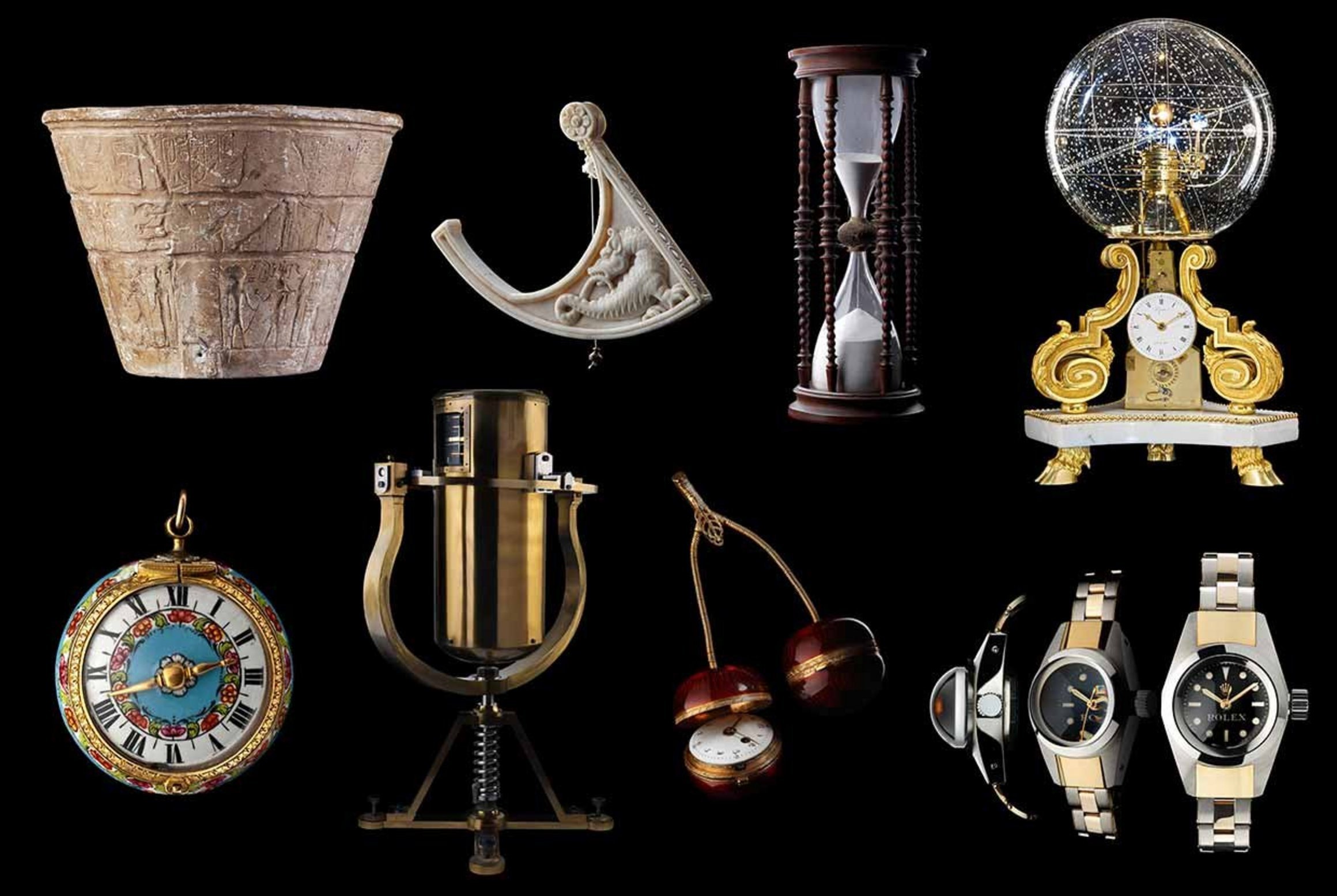
Photo Credit
Image courtesy of © Beyer Clock and Watch MuseumZurich keeps its finest machines where the public can see them: a Zeiss refractor of 1907 on its own pier of oak piles in the Urania tower, a clock collection that runs from an Egyptian water clock to the quartz watch, and historic trams that still take to the rails once a month. Here is the older, slower and more beautiful end of technology, and when to see it.
The telescope on 48 oak piles
Precision is Zurich’s favourite spectator sport, and its finest machines are on public view. On the Uraniastrasse, in the middle of the city, a round tower has been showing the sky to anyone who climbs it since 15 June 1907, when the Urania opened as a public observatory: by its own account the oldest in Switzerland, and the first concrete building raised in Zurich.
Its planning began in 1899, after the merchant Abraham Weill-Einstein bought a plot by the Werdmühleplatz, and building started in 1905 as part of Gustav Gull’s “Urania axis” through the city. The engineering begins underground: a telescope of around 12 tonnes must not tremble, so its pier stands apart from the rest of the building, on a plate resting on 48 oak piles driven 12 metres into the lake chalk.
The instrument came from Carl Zeiss in Jena in 1907: a refractor with a 30 cm two-lens system and a focal length of 5.05 metres. It was a sensation in its day and went into the history of technology as the “Urania type”. In 2006 it was taken out, sent back to Jena and fully restored, then returned to service for the centenary in 2007. Few machines go home to their maker for a service at 99, and fewer come back sharper.
The tower has been a protected monument since 1989. It shares the building with the Jules Verne Panorama Bar, separate from the observatory and reached by the lift in the Brasserie Lipp. One tower serves both kinds of stargazing.
Four thousand years in a basement
Down the Bahnhofstrasse, Beyer’s clock and watch museum kept one of the world’s most important private collections of horology in the basement of No. 31: more than 250 objects, from an Egyptian water clock of around 1400 BC to the modern quartz watch. Almost 4,000 years, the museum notes, separate the sundial from the quartz wristwatch, and here they shared a room.
Among its curiosities are automatons, table clocks with planetariums, marine chronometers and, a gift from the watchmaker Svend Andersen, the world’s smallest watch with a calendar function, listed in the Guinness Book of World Records. Recent acquisitions include a pendulum clock signed “Theodor Beyer’s Sohn Zürich” and a pocket watch shaped like a hot-air balloon: precision and whimsy are not natural enemies.
One tower serves both kinds of stargazing.
The museum is moving to the Mühle Tiefenbrunnen in Seefeld and expects to reopen in autumn 2027. Until then its clocks are, for once, keeping their own counsel.
Machines that still run
Some machines are best seen moving. The Tram Museum at the Burgwies keeps the city’s historic trams, and on the last weekend of each month its heritage cars run as museum line 21 between the museum and the city centre: on 28 and 29 November 2026 they ride to the main station and back. From March to October a museum bus does the same by road.
The Polybahn is the city’s everyday antique. It opened in 1889 as the Zürichbergbahn and still lifts up to 50 passengers at a time from the Central to the ETH terrace in about 100 seconds; students call it the student express, which is the only express in Zurich that never needs a timetable, since it leaves every few minutes.
Our advice: book a public tour at the Urania on a clear evening, ride museum line 21 on the last weekend of the month, and keep autumn 2027 in the diary for Beyer’s reopening. For the newest gadgets, from phones to headphones, our Tech list compares them; this is the older, slower and rather more beautiful end of the subject.
Why it's on our list
- The telescope on 48 oak piles
- Four thousand years in a basement
- Machines that still run
Location
The map comes from Google Maps, which sets its own cookies once it loads.
More in depth
 Objects of DesireSteel, glass and a fortune from Sumatra: Zurich’s houses worth the detourLe Corbusier’s last building, a villa with a colonial past and two towers in Zurich West.
 Objects of DesireSans pareil: the Kronenhalle Bar, a library of spirits and the Old FashionedA bar with Giacometti lamps and no music, 1,000 bottles on the Rennweg and the Old Fashioned.
 Objects of DesireLess parked than crouched: the electric Jaguar and the new supercarsJaguar’s Type 00 and Type 01, Ferrari’s first electric car and the record-breakers around them.